
Nikko, Japan: Day Trip From Tokyo, Shrine Hours and Where to Stay
Train options from Tokyo, last-entry times and ticket prices for the UNESCO shrines, Kegon Falls and Lake Chuzenji, rain in inches by month, and cash and medication rules for U.S. travelers, checked against the shrines, Tobu Railway, Japan’s weather agency and the State Department.
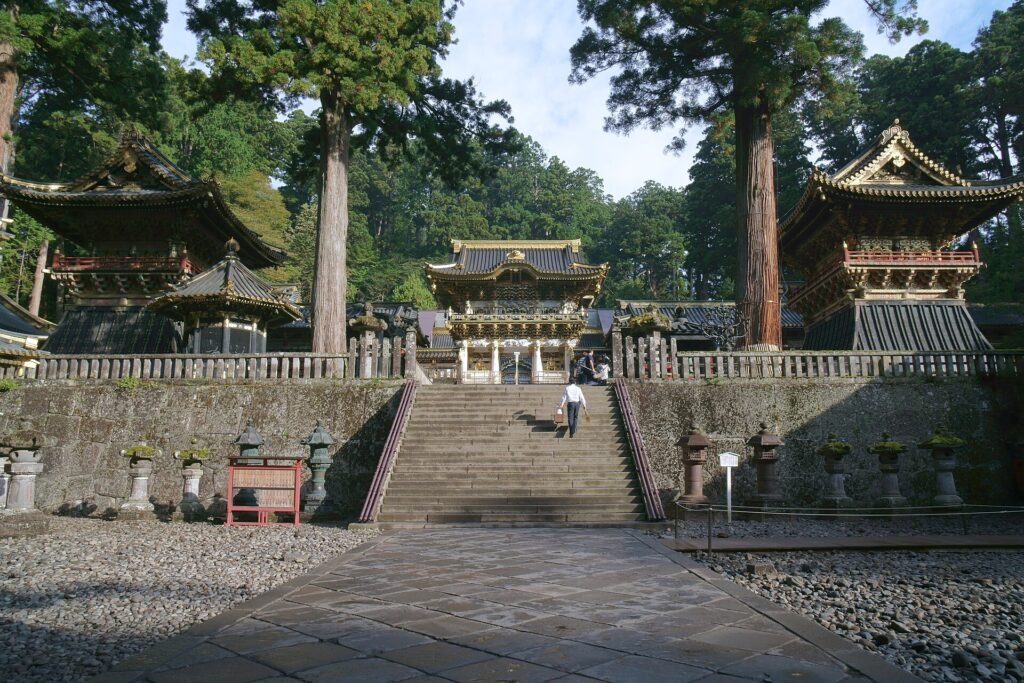
- ¥1,600 adult ticket for Toshogu
- 4:30 pm last entry, April to October
- 1 hr 50 min by train from Tokyo
- 318 ft drop at Kegon Falls
Nikko, in Tochigi Prefecture north of Tokyo, is where the Tokugawa shoguns built their mausoleums: a cluster of shrines and temples in a cedar forest, listed by UNESCO in 1999. Higher in the mountains, the Okunikko area adds Lake Chuzenji and Kegon Falls.
Most visitors come on a day trip, which makes timing the real planning problem: every site sells its own ticket, and ticket windows close earlier than you might expect. We gathered the hours, fares and passes below on October 13, 2026, mostly from Japanese-language official pages.
Advised Traveler is free to use. If you find our content useful, you can support us by booking through our affiliate links: we earn a commission at no extra cost to you.
- Day trip or overnight?
- Getting there from Tokyo
- Latest arrival time and tickets
- Things to do at the shrines
- Kanmangafuchi Abyss
- Kegon Falls and Lake Chuzenji
- Weather by month
- Where to stay
- Cash, medications and safety
- FAQ
- Sources
How much time do you need in Nikko?
One full day covers the shrine district: the Shinkyo Bridge, Toshogu, Rinnoji and Futarasan, plus the Kanmangafuchi Abyss. Tochigi’s tourism office suggests allowing about two hours for Toshogu alone. Add a night if you also want Okunikko, roughly 50 minutes up the mountain by bus.
- Day trip: about 1 hour 50 minutes each way from Tokyo, so take an early train and plan the shrines for the morning.
- One night: shrines on day one, Kegon Falls, the Nikko Natural Science Museum and the Lake Chuzenji shoreline on day two.
Getting to Nikko from Tokyo: Tobu vs. JR
Both routes take about 1 hour 50 minutes, according to Tochigi’s tourism office. They arrive at two different stations a few minutes apart, Tobu-Nikko and JR Nikko.
- Tobu Railway from Asakusa: limited express trains, including the Spacia X, run to Tobu-Nikko. Every seat is reserved. Tobu sells tickets up to one month ahead online or at staffed stations, and charges ¥200 extra if you buy on board. As an example, Tobu’s notice for September 7, 2026 lists a Spacia X leaving Tobu-Nikko at 2:10 pm and reaching Asakusa at 4:05 pm.
- JR: Tohoku Shinkansen from Tokyo to Utsunomiya, then the JR Nikko Line to JR Nikko Station. JR East’s weekday timetable shows roughly one Nikko Line train an hour during the day, so check the connection before you buy.
Tobu sells two passes to foreign visitors. Neither covers the limited express surcharge or shrine admission.
| Tobu pass | Valid | Adult |
|---|---|---|
| World Heritage Area | 2 days | ¥3,000 |
| All Area | 4 days | ¥8,000 |
The World Heritage Area pass includes one round trip between Asakusa and Shimo-Imaichi, Tobu trains between Shimo-Imaichi, Tobu-Nikko and Shin-Fujiwara, and Tobu buses around the shrine area. The All Area pass adds every Tobu bus line in Nikko, including the route to Lake Chuzenji, and the lake cruise from mid-April through November 30.
What’s the latest you should arrive in Nikko?
To see everything in the shrine district, be at the Rinnoji ticket window by 2:30 pm from April through October, or 1:30 pm from November through March. That is when the temple stops selling its combined Sanbutsudo and Taiyuin ticket. Toshogu and Rinnoji’s single tickets stop selling 30 minutes before closing.
| Site | Hours (Apr to Oct / Nov to Mar) | Adult |
|---|---|---|
| Toshogu | 9 am to 5 pm / 9 am to 4 pm | ¥1,600 |
| Rinnoji, Sanbutsudo | 8 am to 5 pm / 8 am to 4 pm | ¥400 |
| Rinnoji, Taiyuin | Same as Sanbutsudo | ¥550 |
| Shinkyo Bridge | 8:30 am to 4:30 pm / 9:30 am to 3:30 pm | ¥300 |
Do you need to book Toshogu in advance? The shrine sells tickets at its entrance and links to an online reseller for advance purchase. It does not announce timed entry or a daily cap. The joint shrine-and-temple ticket that older guides mention is no longer sold, Rinnoji says.
Things to do in Nikko: the UNESCO shrines and temples
UNESCO’s listing, the “Shrines and Temples of Nikko,” covers 103 buildings on about 125 acres: 42 at Toshogu, 23 at Futarasan Shrine and 38 at Rinnoji temple.
- Toshogu Shrine: the mausoleum of Tokugawa Ieyasu, first built in 1617 and enlarged under the third shogun, Iemitsu. Look for the Yomeimon Gate, the “see no evil, hear no evil, speak no evil” monkeys carved on the sacred horse stable, the Sleeping Cat (Nemuri-neko) and a five-story pagoda rebuilt in 1818. Hundreds of stone steps lead up to Ieyasu’s grave. The ticket with the Treasure House is ¥2,400; children in elementary or junior high school pay ¥550 for the shrine.
- Rinnoji Temple: the Buddhist part of the complex, with the Sanbutsudo hall and the Taiyuin, the site’s second mausoleum. A ¥1,000 ticket, sold at the counter or as an e-ticket, adds the Treasure Hall and Shoyoen Garden.
- Futarasan Shrine: next to Toshogu. Its website showed no current visiting hours when we checked.
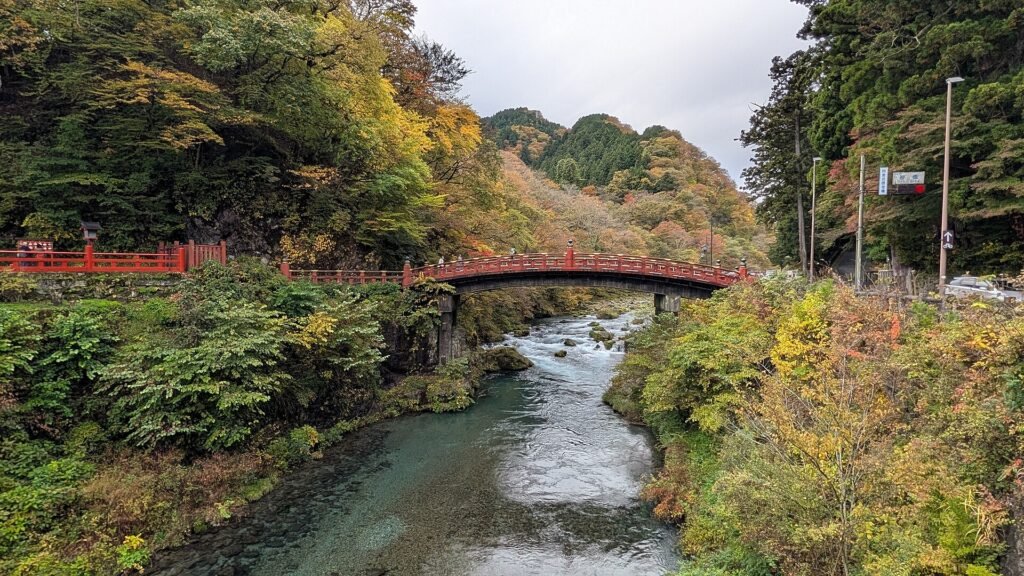
- Shinkyo Bridge: the vermilion bridge over the Daiya River at the entrance to the shrine area, a designated Important Cultural Property. Walking across costs ¥300; you can photograph it from the road for free.
Tours and tickets
If you would rather not juggle trains and buses, our partner GetYourGuide lists guided tours of Nikko and day trips from Tokyo. On October 13, 2026, its Nikko page included a Toshogu admission ticket you exchange at Tobu-Nikko Station and a tour of Kegon Falls, Lake Chuzenji and Toshogu. On a winter day trip, compare the tour’s schedule with Toshogu’s 4 pm closing.
See all Nikko tours and activities on GetYourGuide
Kanmangafuchi Abyss and its row of Jizo statues
This short gorge on the Daiya River, carved through lava from Mount Nantai, is lined on its south bank with about 70 stone Jizo statues. They are known as “bake-jizo,” ghost Jizo, because the count supposedly comes out different every time, the Tochigi tourism association says. Tochigi’s listing mentions no admission fee.
It is about a 25-minute walk from Toshogu. By bus, ride a Tobu bus toward Chuzenji Onsen or Yumoto Onsen for about 6 minutes to Sogo Kaikan-mae, then walk 15 minutes.
Okunikko: Kegon Falls and Lake Chuzenji
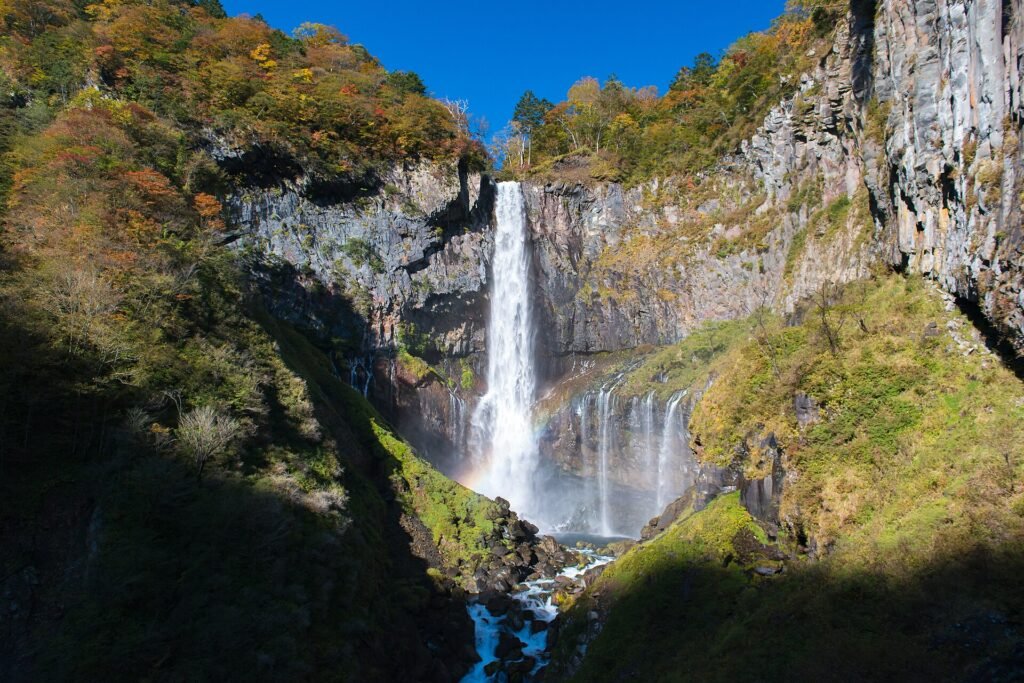
Fed by Lake Chuzenji, Kegon Falls drops 318 feet (97 m) and is about 23 feet wide. An elevator descends about 330 feet to a viewing deck near the base, its operator says. Japan Guide lists the elevator at ¥600, open 8 am to 5 pm from March through November; we could not open the operator’s own fares page to confirm.
The Nikko Natural Science Museum is a 3-minute walk from the falls. Along the lake, the former British and Italian embassy summer villas are now memorial parks, a 3-minute walk apart.
Nikko weather by month
Japan’s weather agency publishes Nikko’s normals for its Okunikko station up near Lake Chuzenji, where January highs hover around freezing and September brings over 16 inches of rain. The shrine district sits lower in the Daiya valley; we found no official normals for it.
- Jan 2.3 in
- Feb 1.9 in
- Mar 4.3 in
- Apr 6.1 in
- May 7.0 in
- Jun 9.0 in
- Jul 11.0 in
- Aug 13.1 in
- Sep 16.1 in
- Oct 9.5 in
- Nov 3.8 in
- Dec 2.3 in
Average rainfall by month, 1991-2020 normals for the Okunikko station. Yellow: under 4 in. Light blue: 4 to 10 in. Dark blue: over 10 in.
| Month | Low / high | Rain |
|---|---|---|
| Jan | 18 / 32 °F | 2.3 in |
| Feb | 18 / 33 °F | 1.9 in |
| Mar | 24 / 40 °F | 4.3 in |
| Apr | 32 / 50 °F | 6.1 in |
| May | 42 / 60 °F | 7.0 in |
| Jun | 51 / 64 °F | 9.0 in |
| Jul | 59 / 72 °F | 11.0 in |
| Aug | 60 / 73 °F | 13.1 in |
| Sep | 53 / 66 °F | 16.1 in |
| Oct | 42 / 57 °F | 9.5 in |
| Nov | 32 / 48 °F | 3.8 in |
| Dec | 23 / 37 °F | 2.3 in |
How we converted: the Japan Meteorological Agency publishes these normals in °C and millimeters for the station it names “Okunikko (Nikko).” We converted and rounded them; the shrine area, lower down, may differ.
Where to stay in Nikko: by the shrines or on Lake Chuzenji
Stay near the Shinkyo Bridge to be at Toshogu when it opens, or on Lake Chuzenji to wake up a short walk from Kegon Falls. Many travelers keep their Tokyo hotel and day-trip instead; our guide to where to stay in Tokyo covers Asakusa, where the Tobu trains leave.
Near the shrines: walk to Toshogu
Nikko Kanaya Hotel bills itself as Japan’s oldest resort hotel. Zenichiro Kanaya opened part of his home to guests as the Kanaya Cottage Inn in 1873, and the current hotel opened in 1893, per the Japanese government’s Highlighting Japan magazine. Tochigi’s tourism office puts it a 5-minute walk from the World Heritage site; a free shuttle runs from Tobu-Nikko Station three times a day, except in the fall foliage season.
Lake Chuzenji: hot springs and Kegon Falls
The Ritz-Carlton, Nikko, in Chugushi on the lakeshore, has suites with balconies over Lake Chuzenji and hot spring water from Nikko Yumoto Onsen. It is about 40 minutes by bus from Tobu-Nikko Station, and Kegon Falls is a 10-minute walk from its restaurant.
Booking for October or November? The Kanaya shuttle does not run during foliage season, so plan a bus or taxi from the station. We do not list nightly rates, which change too often to verify.
Check recent prices and reviews for Nikko hotels
Do you need cash in Nikko? Money, medications and safety for U.S. travelers
Bring some yen. The State Department notes that most businesses in Japan take credit cards but some accept only cash, as do many clinics; ATMs that work with U.S. cards are widely available. Carrying ¥1,000,000 or more must be declared.
- Advisory: Japan is at Level 1, “Exercise normal precautions.” The State Department page we read showed two different issue dates (May 15, 2025 and September 28, 2026), so check the live page before you go.
- Entry: no visa for stays under 90 days; your passport must be valid for the whole stay, with one blank page per entry stamp.
- Medications: some drugs routinely prescribed in the U.S., including Adderall, are illegal in Japan, and U.S. prescriptions are not honored. Check the Ministry of Health’s rules before packing anything.
- Emergencies: police 110, fire and ambulance 119. U.S. Embassy Tokyo after hours: +81-3-3224-5000.
Most hospitals abroad do not accept U.S. health insurance, and the State Department strongly recommends supplemental coverage that includes medical evacuation. Our partner offers SafetyWing Nomad Insurance Essential; as listed when we checked on October 13, 2026, it covers up to $250,000 in medical costs and $100,000 lifetime for medical evacuation, billed every four weeks, and excludes pre-existing conditions, maternity care and cancer treatment; coverage in the U.S. is a paid add-on. Check your own eligibility on the quote page.
First-time SafetyWing customers can enter the code ADVISEDTRAVELER on a 28-day subscription or annual Essential plan for 8 free weeks of the Electronics Theft add-on: tap the pink camera icon on the Nomad Insurance page and enter the code before creating your account. After 8 weeks the add-on renews at its regular paid price. If you live in Europe, Chapka Cap Assistance is another option; it is not available to U.S. residents.
Bus and train schedules are easiest to check on the go. If your carrier’s Japan day pass is expensive, compare a data eSIM from our partner Yesim and confirm its Japan plans first.
Nikko FAQ
Is Nikko worth a day trip from Tokyo?
For the UNESCO shrines, yes: about 1 hour 50 minutes each way by Tobu or JR, with the main sites within walking distance of each other. Okunikko is better with an overnight stay.
What time should I arrive in Nikko?
By early afternoon at the latest. Rinnoji stops selling its combined ticket at 2:30 pm from April to October and 1:30 pm from November to March, and Toshogu’s last entry is 4:30 pm or 3:30 pm.
How much is the Toshogu Shrine entrance fee?
¥1,600 for adults and high school students, ¥550 for elementary and junior high students, or ¥2,400 including the Treasure House.
Is the Nikko Pass worth it?
Compare it with your actual trips: the ¥3,000 World Heritage Area pass includes a round trip from Asakusa and local buses for two days, but not the limited express surcharge or any admission.
When is the best time to visit Nikko?
For drier weather, November through February, though Okunikko highs then range from about 48 °F down to freezing. July through September are the rainiest months.
More tours in and around Nikko
More options from GetYourGuide follow. For an Okunikko trip, check whether hotel pickup is from Tokyo or from Nikko itself, since some listings start in one and some in the other.
Sources
All pages read on October 13, 2026.
- Nikko Toshogu, hours and admission (in Japanese).
- Rinnoji Temple, visitor information (in Japanese).
- Tochigi Prefecture tourism association, Tochinavi (in Japanese): Shinkyo Bridge, Kanmangafuchi.
- Visit Tochigi: Nikko and Okunikko itinerary, Nikko Kanaya Hotel, The Ritz-Carlton, Nikko.
- UNESCO, Shrines and Temples of Nikko.
- Tobu Railway: NIKKO PASS World Heritage Area, NIKKO PASS All Area, Spacia X notice for September 7, 2026 (in Japanese).
- JR East, JR Nikko Station timetable (in Japanese).
- Kegon Falls: elevator operator (height, in Japanese); Japan Guide (elevator fee and hours, page updated November 21, 2025).
- Japan Meteorological Agency, 1991-2020 normals for Okunikko (in Japanese).
- U.S. Department of State, Japan international travel information.
- Toshogu history: Wikipedia; Kanaya Hotel history: Government of Japan, Highlighting Japan.
- SafetyWing, Nomad Insurance.
Planning more of Japan? See our Japan travel guide.
Compiled by the Advised Traveler team from the sources listed. Nikko’s shrines switch to winter hours on November 1, so double-check closing times against your travel date. Spot an outdated detail? Let us know.