
Africa Travel Guide: Entry Authorizations, Yellow Fever, Malaria and Safari Countries
What U.S. travelers should sort out before a safari or a trip to sub-Saharan Africa: Kenya’s eTA, passport pages, yellow fever certificates, malaria zones and areas to avoid, plus our country guides and city pages.
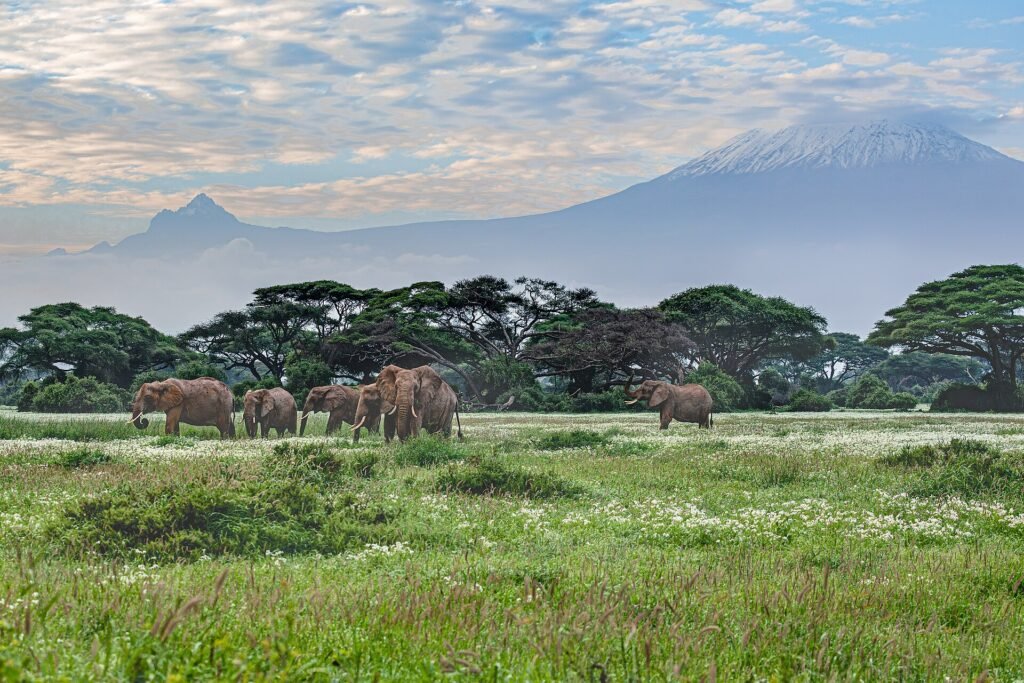
- 6 sub-Saharan country guides on our site
- 6 months of passport validity and 2 blank pages for Kenya
- 3 South African provinces with malaria transmission
- 12 hours of airport transit that can trigger South Africa’s yellow fever rule
This page covers our sub-Saharan destinations: South Africa, Kenya, Madagascar, Namibia, Senegal and Tanzania, plus a few cities outside those countries. Morocco, Tunisia, Egypt and Algeria have their own hub: North Africa travel guide.
Rules vary by country and change often, so every fact below names the agency that publishes it. Sources checked on November 12, 2026.
Advised Traveler is free to use. If you find our content useful, you can support us by booking through our affiliate links: we earn a commission at no extra cost to you.
- Entry rules
- Yellow fever and malaria
- Areas to avoid
- Insurance and data
- Country guides
- More cities
- Where to stay
- FAQ
- Sources
Do Americans need a visa for Africa? Start with Kenya’s eTA
There is no single answer: each country sets its own rules, and several now ask you to apply online before you fly. Kenya is the clearest case. The State Department says all visitors must get an electronic travel authorization (eTA) before entering, and that your passport needs six months of validity and two blank pages.
Check the date: the State Department’s Kenya country page we read was last updated on January 18, 2024. Confirm the rules on the official eTA portal before you pay anything.
For South Africa, Madagascar, Namibia, Senegal and Tanzania, read the State Department country page linked from each of our guides below, and check its passport validity and blank-page rules.
Do I need a yellow fever shot or malaria pills for Africa?
It depends on your route. Kenya asks for proof of yellow fever vaccination if you arrive from a country where the disease is endemic. South Africa requires the certificate from travelers aged 1 and over arriving from a risk country, including anyone who spent more than 12 hours in transit at an airport there, according to France’s Institut Pasteur.
- South Africa’s malaria zones: low-lying areas of Mpumalanga (including Kruger National Park), Limpopo and northeastern KwaZulu-Natal, year-round, with higher risk from October to May.
- Country-by-country details: the CDC Yellow Book lists yellow fever requirements and malaria areas for every destination.
- After you get home: any fever within three months of a trip to a malaria area needs a doctor’s visit right away; mention where you traveled.
See a travel medicine clinic several weeks before departure: malaria prevention depends on your exact itinerary.
Which parts of Kenya should travelers avoid?
The State Department advises exercising increased caution in Kenya overall and says do not travel to the counties bordering Somalia (Mandera, Wajir and Garissa), to Tana River and Lamu counties and the coast north of Malindi, or along the Kainuk-Lodwar road in Turkana. It asks travelers to reconsider visits to Nairobi’s Eastleigh and Kibera neighborhoods and parts of Laikipia.
Every country in this region has its own advisory level: check it on travel.state.gov and enroll in STEP before you go.
Travel insurance and staying connected
Safari lodges are often far from a hospital, so medical evacuation coverage matters. Our partner SafetyWing Nomad Insurance is open to U.S. residents; travelers living in Europe can also look at Chapka Cap Assistance. Read the coverage and exclusions on the insurer’s own page.
A travel eSIM such as those sold by our partner Yesim can be installed before you leave; check coverage for your country, which is often patchy inside parks.
Our sub-Saharan Africa country guides
South Africa
Malaria limited to the east and northeast, Kruger included. Updated city pages: Cape Town, Johannesburg. Also: South Africa eSIM.
Madagascar
Namibia
Senegal
Tanzania
Not on the WHO list of countries whose travelers must show yellow fever proof, as the CDC notes.
More African cities on our site
Outside our six country guides, these city pages follow the same sourced format: Douala (Cameroon), Kigali (Rwanda).
Where to stay in Africa
Our neighborhood guide for Cape Verde: where to stay in Morro, Maio Island.
The map opens on Cape Town. Type another city into its search box to see places to stay there, with current prices and reviews.
Compare places to stay in Cape Town
Safaris and day trips
Our partner GetYourGuide sells day trips and safaris; the button opens its South Africa listings. If a tour heads to Kruger, factor in the malaria zone described above.
See tours in South Africa on GetYourGuide
Africa travel FAQ
Do U.S. citizens need an eTA for Kenya?
Yes. The State Department says all visitors must obtain an electronic travel authorization before entering Kenya.
How many blank passport pages do I need for Kenya?
Two, with at least six months of validity left, according to the State Department.
Is there malaria in Kruger National Park?
Yes. Mpumalanga, where Kruger lies, has year-round transmission in its low-lying areas, with higher risk from October to May.
Do I need a yellow fever vaccine for South Africa?
Only if you arrive from a country with yellow fever risk or spent more than 12 hours in transit at one of its airports, from age 1.
Where are Morocco and Egypt?
On our North Africa page, which covers Morocco, Tunisia, Egypt and Algeria.
Other regions
North Africa, Europe, Middle East, Asia, North America, Caribbean, South America, Oceania.
Sources
All pages checked on November 12, 2026.
- U.S. Department of State, Kenya international travel information (last updated January 18, 2024).
- CDC, Yellow Fever Vaccine and Malaria Prevention Information, by Country.
- Institut Pasteur, health recommendations for South Africa, in French.
Maintained by the Advised Traveler team. Entry and health rules change: confirm them with the State Department and the CDC before you travel. Spotted an error? Let us know.