
Ireland Travel Guide
Land of legends, rugged cliffs, and the world’s warmest welcome: Welcome to the Emerald Isle.
Ireland: Green Magic & Good Company
This travel guide invites you to explore a land of captivating beauty, where ancient traditions meet modern vitality. Between its jagged coastlines, towering cliffs (like the world-famous Cliffs of Moher), and colorful villages, Ireland offers an authentically raw experience. Whether you are exploring the literary streets of Dublin, the cultural heart of Galway, or driving the winding roads of the Ring of Kerry, you’ll find magic around every corner.
Our Tip
Don’t just visit the pubs for the Guinness; go for the music. Seek out a “Trad Session” (traditional music session) in a local pub in Doolin, Galway, or even suburban Dublin. It’s where the true soul of Ireland resides—informal, joyous, and incredibly welcoming.
5 Reasons to Pack Your Bags
- Spectacular Landscapes: From the Cliffs of Moher to the Giant’s Causeway and the wilds of Connemara, nature here is dramatic.
- Pub Culture: It’s not about drinking; it’s about the “Craic” (fun/gossip), the live music, and the cozy atmosphere by the fire.
- Rich History: The island is dotted with medieval castles, ancient monastic sites, and prehistoric ruins older than the pyramids.
- Hiking: World-class trails await, such as the Wicklow Way, offering fresh air and stunning vistas for outdoor lovers.
- The Welcome: The “Céad Míle Fáilte” (Hundred Thousand Welcomes) isn’t a myth; the Irish are renowned for their humor and hospitality.
Where to Go?
From the literary capital to the wild Atlantic edge.
Dublin
Literary CapitalGalway
Cultural HeartCork
The Rebel CityKillarney
Gateway to KerryLimerick
History & Castles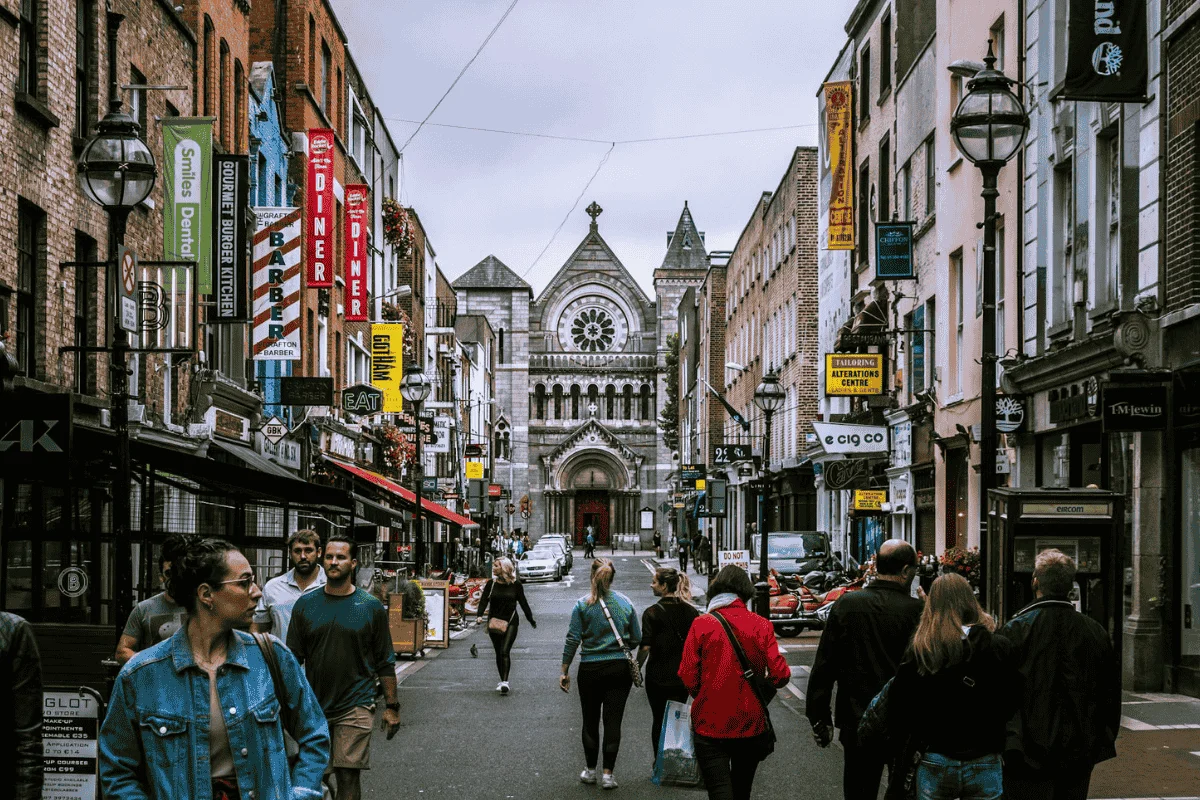
Essential Logistics (Stress-Free)
Dublin (DUB) is a major hub with direct flights from the US and all over Europe. Shannon (SNN) is great for the West Coast.
US, Canada, and UK citizens do not need a visa for short tourist stays. EU citizens can use an ID card.
Excellent healthcare system. Travel insurance is always recommended for international travelers.
Currency: Euro (€). Note: It can be pricey, especially Dublin accommodation. Check rates if visiting Northern Ireland (UK Pounds).
The Oceanic Climate
Expect “four seasons in one day”—layers are your best friend!
- Summer (June-August): Peak season. Long days (sunset after 10 PM), mild temperatures, perfect for hiking and festivals.
- Spring & Autumn: Fewer crowds, beautiful colors in the landscapes, and better prices. Rain is always a possibility.
- Winter (December-February): Short days and chillier weather, but the pubs are never cozier than when the fire is roaring.
Transport & Accommodation
Getting Around
Renting a car offers total freedom to explore the wild coasts. Trains and buses connect major cities well. Remember: Drive on the left!
Where to Sleep
B&Bs are a national institution: warm hospitality and hearty breakfasts. Hotels, hostels, and glamping sites are also widely available.
A Taste of Ireland
Comfort food at its finest, relying on world-class local produce (dairy, beef, seafood).
- Irish Stew: A hearty casserole of lamb, potatoes, carrots, and onions.
- Seafood Chowder: A creamy soup packed with fresh Atlantic fish and shellfish, served with brown bread.
- Fish and Chips: Freshly battered fish (often Cod or Haddock) with chunky chips. A seaside staple.
- Soda Bread: Dense, delicious bread made without yeast, best eaten with lashings of Irish butter.
- Guinness: The iconic black stout. It really does taste better here.
Suggested Itineraries
Routes to help you navigate the Green Isle.
The Classic South-West (1 Week)
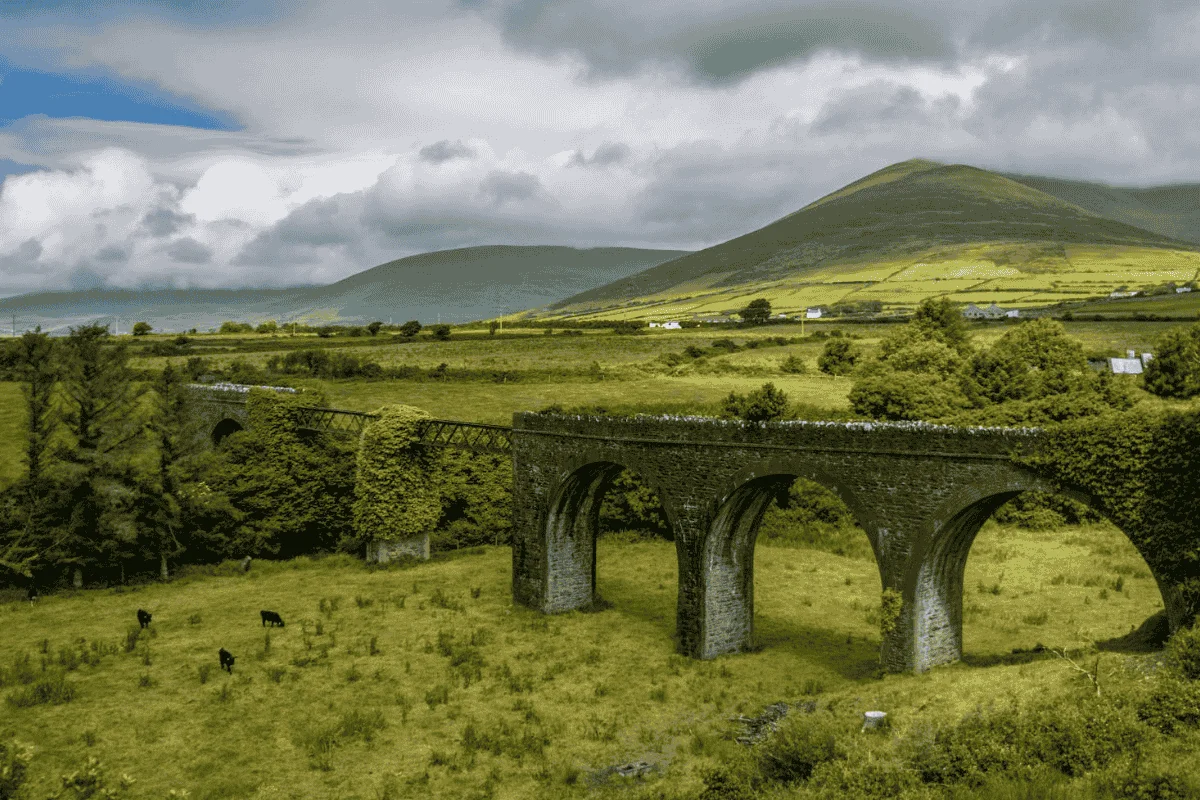
Cork, Killarney National Park, the famous Ring of Kerry drive, and the Dingle Peninsula for stunning coastal views.
The Wild West (10 Days)
Galway City, the Connemara region, the Aran Islands, and the Cliffs of Moher. This is the “Wild Atlantic Way” at its best.
Dublin & Ireland’s Ancient East (3-4 Days)
A city break in Dublin, combined with a trip to the Wicklow Mountains (Glendalough) and the prehistoric tombs of the Boyne Valley.
Is It For You?
Solo Travelers
Very easy and safe. Dublin is lively and easy to navigate. Hostels are plentiful, and pubs are natural social hubs where you’ll chat with locals in no time.
Couples
Romantic and wild. Stay in a castle hotel, walk hand-in-hand on a deserted Donegal beach, or enjoy a quiet evening by a peat fire.
With Kids
An excellent choice. Ireland is very “kid-friendly.” Think castles to explore, zoos, and boat trips to see the famous Dingle dolphin.
Budget Travelers
Prioritize hostels and camping. Buy meals at supermarkets (picnics are great in the summer). Many National Museums in Dublin are free.
What’s Next? More European Guides
Continue your adventure on the continent.
Browse by Region
Frequently Asked Questions (FAQ)
When is the best time to visit Ireland?
Summer (June to August) offers the best weather, but late spring and early autumn are also lovely and less crowded. Just pack for rain regardless of the season!
Do I need a visa?
Citizens of the EU, USA, Canada, Australia, and New Zealand do not require a visa for tourism in the Republic of Ireland.
What currency is used?
The Republic of Ireland uses the Euro (€). If you travel north to Belfast (Northern Ireland), remember that they use the British Pound (£).
Is it safe?
Yes, Ireland is extremely safe with low crime rates. The people are famous for their hospitality.
Ready to Discover Ireland?
Travel with peace of mind by securing your logistics.
Activities & Experiences
Tours & Activities
Book your tours and activities anywhere in the world.
Sports & Recreation
Find exciting sports and recreational activities worldwide.
Gift Experiences
Give or receive gift boxes for unforgettable experiences.
Museums & Monuments
Explore the world's most iconic museums and monuments.
Road Trips
Plan your road adventures like a pro with expert tools.
City Passes
Access top attractions in major cities around the globe.
Hiking Trails
Discover the best trails and hiking routes worldwide.
Tours & Adventures
Book unique and unforgettable experiences everywhere.
Accommodation & Stays
Hotels & Resorts
Book hotels worldwide at the best rates available.
Vacation Rentals
Find home-like accommodations for your perfect stay.
Hostels
Find budget-friendly hostels for your travels.
Campsites
Book selected campsites in nature with ease.
Luxury Getaways
Enjoy exceptional stays at prestigious establishments.
Sustainable Travel
Travel ethically and sustainably for positive impact.
Mountain Retreats
Discover the most beautiful mountain destinations for your stay.
Ski Vacations
Book your ski holidays at France's top resorts.
Transportation & Travel
Flight Comparison
Compare flights and find the best airfare deals.
Airport Parking
Reserve your airport parking spot at the best price.
Transfers & Taxis
Book your transfers and taxis easily and securely.
Car Rentals
Find the perfect car for your adventures, up to 70% off.
Motorhome Rentals
Hit the road with freedom in your dream motorhome.
Boat Rentals
Experience the joy of sailing and discover new horizons.
Train Tickets
Book your train tickets at the best price and travel with peace of mind.
Ferry Bookings
Cross the seas with the best ferry companies available.
Planning & Essentials
Travel Insurance
Protect yourself against unexpected events during your trip.
Travel e-Sim
Stay connected anywhere in the world with a convenient e-Sim.
Travel Visas
Get your visa quickly and easily for all your destinations.
Travel VPN
Secure your internet connection wherever you are in the world.
Flight Compensation
Get compensation for flight delays and cancellations.
Travel Money Cards
Simplify your transactions abroad with suitable cards.
Home Security
Protect your home from intrusion while you're away.
Money Transfers
Send and receive money easily at low cost worldwide.