
USA Travel Guide: National Park Fees, REAL ID, Hurricane Season and Where to Go
The rules that changed for 2026, the documents you need to fly, the regions worth a first trip and our city guides, coast to coast.
- $80 annual national parks pass for U.S. residents
- $250 for the same pass if you live abroad
- 11 parks charging nonresidents $100 extra
- June 1 to Nov 30 Atlantic hurricane season
Planning a trip inside the U.S. got a few new wrinkles in the last two years: a REAL ID or another accepted document at airport security, a two-tier fee system at the most visited national parks, and fee-free days that now apply to residents only. If friends or family are flying in from abroad to join you, their costs and paperwork differ from yours.
This guide sticks to what federal agencies publish (TSA, the National Park Service, NOAA) and points to our city guides, from New York to Los Angeles.
Advised Traveler is free to use. If you find our content useful, you can support us by booking through our affiliate links: we earn a commission at no extra cost to you.
- REAL ID for domestic flights
- National park fees in 2026
- Best time to travel
- Where to go
- Visitors from abroad
- Where to stay
- FAQ
- Sources
Do you need a REAL ID to fly within the U.S.?
Yes, or another acceptable form of identification. Since May 7, 2025, the TSA requires anyone 18 or older flying domestically, or entering certain federal facilities, to show a REAL ID or another document on its accepted list. Check your driver’s license for the REAL ID marking well before the trip, and look up the full list of accepted documents on tsa.gov.
National park fees in 2026: residents vs. nonresidents
Since January 1, 2026, the National Park Service charges differently depending on residency. The America the Beautiful annual pass costs $80 for U.S. residents and $250 for nonresidents; the nonresident pass covers one vehicle, two motorcycles, or the pass holder plus three adults.
| Fee | Resident | Nonresident |
|---|---|---|
| Annual pass | $80 | $250 |
| Surcharge at 11 parks | none | $100 per person 16+ |
| Fee-free days | yes | no |
The 11 parks with the nonresident surcharge: Acadia, Bryce Canyon, Everglades, Glacier, Grand Canyon, Grand Teton, Rocky Mountain, Sequoia and Kings Canyon, Yellowstone, Yosemite and Zion. Traveling with visitors from abroad? Budget the extra $100 per adult and teen at each of these parks, on top of the entrance fee.
When is the best time to travel in the U.S.?
It depends on the region. For Florida, the Gulf Coast and the Atlantic seaboard, the main factor is the Atlantic hurricane season, which officially runs from June 1 through November 30. For mountain parks, it is road and facility openings, which each park posts on nps.gov.
2026 outlook: NOAA’s Climate Prediction Center gave a 55% chance of a below-normal Atlantic season on May 21, 2026, with 8 to 14 named storms and 3 to 6 hurricanes expected. NOAA does not forecast where storms will make landfall, so keep an eye on the National Hurricane Center if you travel to the coast in late summer or fall.
A single national temperature table would not mean much across this many climates; our city guides cover each destination’s own season, and the National Weather Service posts local forecasts.
Where to go in the USA: our city guides by region
Northeast and the Midwest
New York, the nation’s capital and Boston, plus Chicago on Lake Michigan. Our guides: New York, Boston (fully updated), Washington, D.C. and Chicago.
- Best for: museums, food and walkable downtowns.
- Nearby park: Acadia, in Maine, is on the nonresident surcharge list.
Florida and the South
Miami, the Florida Keys down to Key West, and the historic cities of the South: New Orleans, Savannah and Charleston. This is hurricane country from June through November. Our guides: Miami and New Orleans.
- Best for: beaches, live music and colonial-era architecture.
- Keep in mind: Everglades National Park is on the nonresident surcharge list.
California and the West
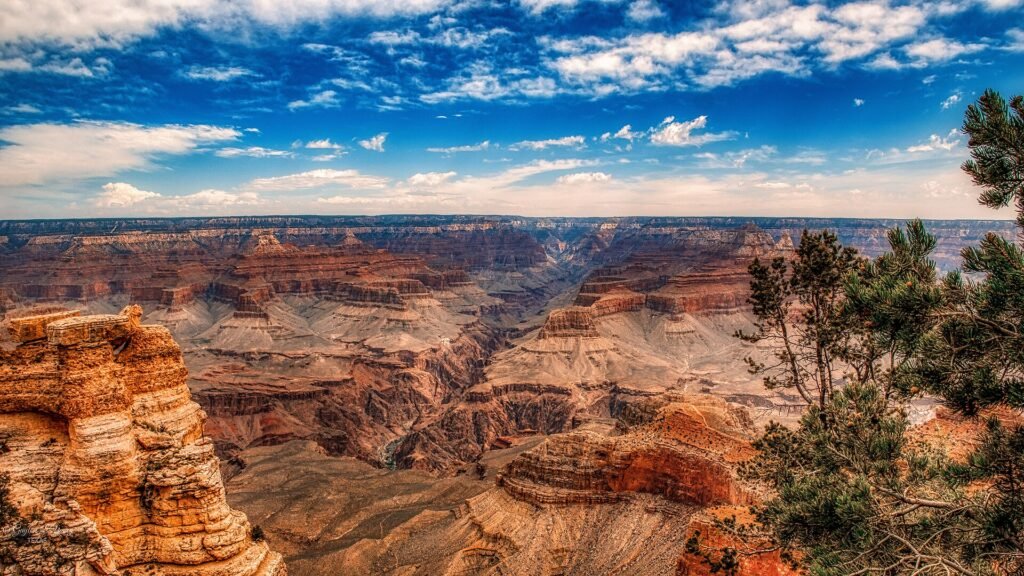
Los Angeles, San Francisco and San Diego on the coast, Las Vegas in the desert, Seattle in the Pacific Northwest, and the big-name parks in between: Grand Canyon, Yosemite, Zion, Bryce Canyon. Our guides: Los Angeles, San Francisco and Las Vegas.
- Best for: road trips that mix cities and parks.
- Keep in mind: four of the 11 surcharge parks sit in this loop.
Heading north instead? Alaska and Hawaii each need a trip of their own.
Harbor cruises, Grand Canyon flights out of Las Vegas and guided city walks are listed by our partner GetYourGuide under the button below. Check whether park entrance fees are included before you book a park tour.
See all USA tours and activities on GetYourGuide
Hosting visitors from abroad: ESTA, 90 days, insurance
Belgium’s foreign ministry, in its advice updated May 22, 2026, sums up the Visa Waiver Program rules its citizens face: an ESTA costing $40, paid online, valid two years for multiple entries and best requested at least 72 hours ahead; a stay capped at 90 days with no extension and a return ticket; and possible searches of phones, laptops and cameras at the border. It calls travel insurance absolutely essential for a U.S. trip.
For guests coming from abroad, our partner SafetyWing offers Nomad Insurance Essential; Europe-based travelers can also compare Chapka’s Cap Assistance 24/7. Our partner Yesim sells travel eSIMs: check U.S. coverage and phone compatibility first.
Where to stay
Belgium’s foreign ministry puts hotel taxes at 10 to 15% on top of the posted rate, so compare totals, not nightly prices. The map opens on New York; type Miami or Los Angeles into its search field to move it.
Compare New York hotels: recent prices and reviews
USA travel FAQ
Can I fly domestically without a REAL ID?
Only with another document on the TSA’s accepted list. The REAL ID requirement for adults has applied since May 7, 2025.
How much is the national parks pass in 2026?
$80 a year for U.S. residents and $250 for nonresidents.
Which national parks charge foreign visitors extra?
Acadia, Bryce Canyon, Everglades, Glacier, Grand Canyon, Grand Teton, Rocky Mountain, Sequoia and Kings Canyon, Yellowstone, Yosemite and Zion add $100 per nonresident aged 16 or older.
When is hurricane season?
The Atlantic season officially runs from June 1 to November 30.
Are national park fee-free days open to everyone?
No. Starting in 2026, they apply to U.S. residents only.
Sources
Checked on November 7, 2026.
- TSA, About REAL ID.
- National Park Service, Nonresident Fees (last updated July 15, 2026).
- NOAA Climate Prediction Center, 2026 Atlantic Hurricane Season Outlook (May 21, 2026).
- Belgian Federal Public Service Foreign Affairs, Practical information for traveling to the United States (May 22, 2026, in French).
Written by the Advised Traveler team from the sources above, without an on-site visit. Fees and ID rules change: confirm them with the TSA and the park before you go. Spotted an error? Let us know.